
Understanding and preventing battery drain
Understanding and preventing battery drain, During the low season or when you travel away, your car might be forced to come to a standstill. However, the challenge is that, when the car isn’t used often, it can lose charge which might make it difficult to start the car the next time you need to drive it. There will be times when your car won’t be used as often as normal, like during a two-week safari away. There’s nothing more heartbreaking than coming back to your Car, firing up the engine, only to find the battery flat.
There are several reasons for your car battery getting drained even when the car is off. Read on to understand more about it, how to prevent it from happening, and ways of prolonging your car’s battery life.
Common reasons why your Car’s battery is draining
The Battery is old and worn out
One of the obvious reasons why your car’s battery drains like a bat out of hell is because it’s old and worn-out, evidenced by corrosion or a reduction in performance. If you notice these signs on the battery, it is advisable to acquire a new one, and the best way to confirm this is by having it checked by an expert.
Much as the average battery life is 5 years, sometimes it can be less depending on several factors including weather conditions, and how it was used.
When the car wasn’t turned off properly
Not turning off the Car properly is another reason for the battery draining quickly and these include leaving the interior or headlights on, and not shutting the car door and boot. While some cars automatically shut off lights or send a warning beep when they’re on for long, others still need to be done manually. If you keep doing this, you will be reducing the battery’s life span.
Frequent short trips
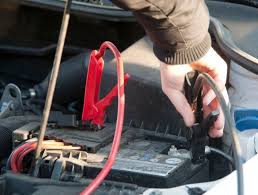 Once the car starts, it is the responsibility of the battery to supply a surge of power and once it’s on the road, the alternator will recharge the battery. This is to make up for the power consumed in starting the car and keeping it running. Now imagine taking short trips, yet the alternator might not get enough time to recharge the battery again hence damaging the battery.
You have a defective alternator.
As mentioned earlier, it is the work of the alternator to recharge the car’s battery every time it’s put in gear and provide a continuous flow of power to the car’s accessories. What happens when the alternator is faulty? Once it becomes defective, you might start hearing strange noises, discover flickering lights, or experience other problems with the car. An alternator failing means the battery will be drained faster, hence failing to start the car.
Other common reasons for your battery draining faster include loose cables or corroded battery terminals, extreme temperatures (cold or hot) that affect battery performance, and most likely a parasitic drain (whereby the battery can continue to drain even when the car is parked).
How to prevent battery drain
Avoid making frequent short trips
As learned from above, making frequent short trips can burden your Car’s battery and because of this, it is recommended to make trips for a longer period once on the road. You can consider combining errands and if need be, invest in an external battery charger to maintain the perfect voltage if you use the car more often.
Just keep driving
One way to prevent your car’s battery from draining is by just driving. We don’t say to be on the road all the time but rather drive it every few days so that the alternator can do its job in keeping the battery from becoming discharged. It’s undeniable that driving also keeps the engine lubricated and rectifies flat spots. This is by reducing the burden on the tire bottoms.
Ensure that the car is perfectly turned off.
Another way to prevent your battery from draining is by properly switching off the car, and this doesn’t involve just locking the car but also turning off the interior and headlights, completely switching off phone charger sockets and USB Ports, turning off the GPS and radio when the engine goes off.
Keeping the car in a garage
Extreme temperatures (whether cold or hot) can be prevented by keeping the car in a garage, and if you don’t have one, consider parking under shade. It’s not going extreme but having a battery blanket can be a lifesaver as you will be preventing car fluids from freezing during cold temperatures or melting during hot weather.
Always take heed of warning signs.
Many drivers ignore the important warning signs, which could have prevented the battery from draining. For this reason, signs like unusual noises made by cars, dashboard lights becoming dimmer, car accessories not functioning effectively, and clicking sounds when the ignition key has been turned on might be signs that the battery is draining quickly hence shouldn’t be ignored.
Routine battery checks
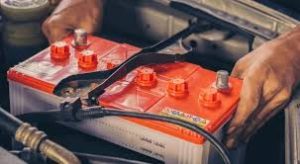 Ensure that the car’s battery is checked and you can do this by lifting the bonnet and checking for signs of tear and wear, with the help of an expert. Ensure that the voltmeter is about 12.7 or above, the battery is tightly fastened, terminals aren’t corroded, and the top of the battery is clean and free from grime and dust.
Other ways to prevent your battery from draining include investing in a trickle charger or battery conditioner (which uses the battery regulator to charge the battery), and others.