
Photography Tips & Essential Information for Your African Safari Holiday
Photography Tips & Essential Information for Your African Safari Holiday, An African safari holiday is often described as a life-changing experience, and capturing those moments through photography makes it even more unforgettable. Whether you are traveling solo, as a couple, or with family, photographing Africa’s iconic wildlife in their natural wilderness habitat is one of the most rewarding parts of any safari tour.
From vast savannah landscapes to dense tropical forests, safari photography presents unique challenges and opportunities. Unlike photographing animals in a zoo, wildlife photography in Africa requires preparation, patience, and the right equipment. Below is a comprehensive guide filled with practical safari photography tips and information to help you get the best images from your African adventure.
Plan Ahead for a Successful Safari Photography Experience#Photography Tips & Essential Information for Your African Safari Holiday
Wildlife photography in Africa can be physically demanding and unpredictable. Long game drives, dusty roads, limited electricity, and changing weather conditions are all part of the journey. To avoid missing once-in-a-lifetime shots, it is essential to plan ahead by preparing your gear, backup options, and mindset.
Careful planning ensures you focus on creativity rather than technical challenges when you encounter Africa’s most fascinating wildlife species.
Invest in a Long Lens for Wildlife Photography#Photography Tips & Essential Information for Your African Safari Holiday
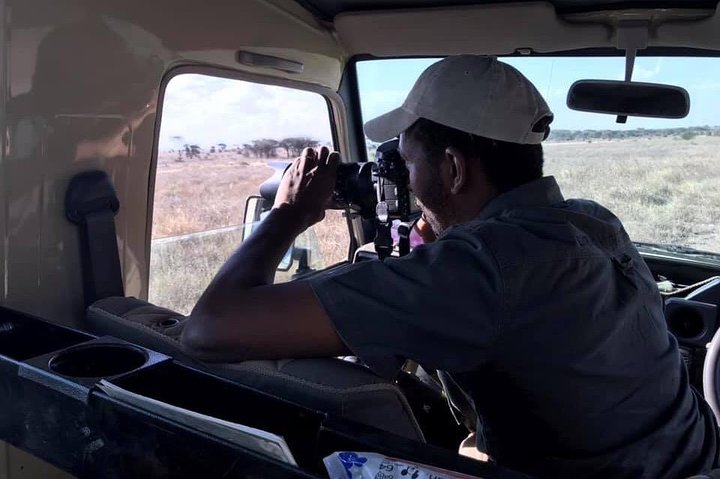 One of the most important safari photography tips is to carry a long telephoto lens. In African national parks such as those in Uganda, Kenya, or Tanzania, wild animals roam freely and must be photographed from a safe distance.
A long lens allows you to capture sharp, detailed images of animals without disturbing them. This is especially important when photographing large mammals such as lions, elephants, buffaloes, hippos, and elusive species like leopards. It is also useful for gorilla trekking and bird photography in forested habitats.
Recommended Safari Camera Lenses
-
400mm lens for detailed wildlife shots
-
Canon 100–400mm L
-
Nikon 80–400mm
-
Sigma 150–500mm
If purchasing a long lens is not an option, consider renting a lens short-term specifically for your safari holiday.
To enhance versatility, also pack:
-
A wide-angle lens (10–22mm) for landscapes and scenery
-
A mid-range lens (24–100mm) for environmental wildlife shots
If you have two camera bodies, keep a zoom lens on one and a wide or medium lens on the other to avoid frequent lens changes in dusty environments.
Respect Wildlife and Follow Safari Guidelines
 Photography Tips & Essential Information for Your African Safari Holiday, Wild animals are unpredictable, and safety should always come first. Always follow your safari guide’s instructions, no matter how tempting a photo opportunity may seem. Never leave the safari vehicle unless instructed to do so, especially during game drives.
Animals such as hippopotamuses, elephants, and buffaloes can become aggressive if they feel threatened. During walking safaris, stay close to your guide and remain alert. Wildlife species are highly sensitive to unfamiliar sounds, movements, and smells, and respecting their space ensures both your safety and ethical photography practices.
Use a Bean Bag for Camera Support on Game Drives
Tripods are often impractical during safari game drives, especially when sharing a vehicle with other travelers. This is where a camera bean bag becomes an essential safari photography accessory.
A bean bag placed on the edge of the safari vehicle:
-
Stabilizes heavy telephoto lenses
-
Reduces camera shake
-
Helps prevent arm fatigue during long waits
It is particularly useful when photographing animals at rest, such as lions or cheetahs, while waiting for that perfect moment.
Carry Extra Memory Cards, Storage, and Batteries
Few things are more frustrating than encountering a mountain gorilla or a lion pride only to realize your camera battery is dead or your memory card is full. Always pack multiple memory cards and spare batteries.
Essential Backup Tips:
-
Carry several high-capacity memory cards
-
Bring at least one or two spare camera batteries
-
Use continuous shooting without worrying about storage
-
Store backups in separate bags to reduce risk of loss
For remote safaris or camping experiences where electricity is limited, consider:
-
A power inverter for charging in the safari vehicle
-
A solar charger for off-grid destinations
If you prefer not to carry a laptop, portable photo storage devices can quickly back up your images directly from memory cards, reducing weight and equipment costs.
Why You Need a GPS on Your African Safari
A GPS device or smartphone GPS app is an essential tool for safari photography, especially if you would like to record the exact locations where your images were taken. Knowing where each photograph was captured adds value for storytelling, blogging, and future reference.
Many photographers use GPS-enabled apps such as offline GPS mapping tools for iPhone and Android, which allow you to download maps in advance and use them without internet access. This is particularly useful in remote safari destinations across Uganda and other African national parks where network coverage can be limited.
Navigating Peak Safari Viewing Hours#Photography Tips & Essential Information for Your African Safari Holiday
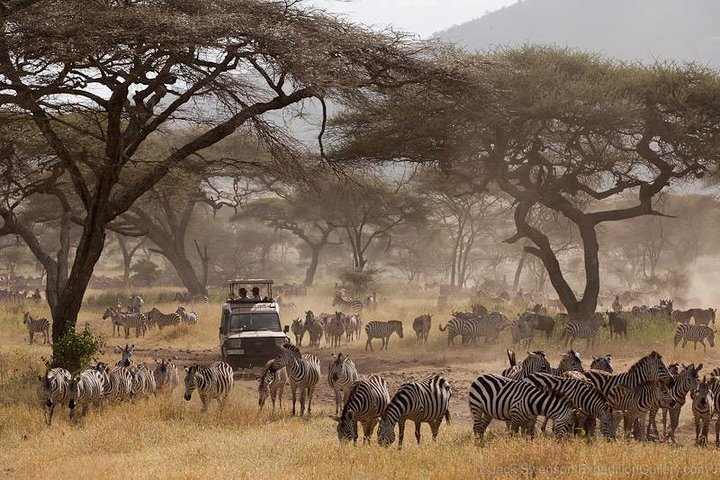 One of the realities of wildlife viewing on safari is fluctuating vehicle traffic. At times, you may find yourself alone with wildlife—an ideal scenario for relaxed photography and intimate encounters. At other moments, especially around popular sightings like lions or leopards, several safari vehicles may gather in one location.
Patience is key during these peak safari hours. If you do not secure the best position immediately, take a moment to enjoy the experience. Professional safari guides are highly experienced and understand photographers’ needs. They often reposition vehicles strategically to give guests better angles once space allows.
Carry a Notepad to Enrich Your Safari Photography Story
Great wildlife photography goes beyond the image—it tells a story. Carrying a small notebook or journal on safari allows you to document important details such as animal behavior, conservation status, and cultural insights shared by your guide.
Recording local and scientific names of animals and plants adds depth and educational value to your photographs. If writing during the game drive is not convenient, ask your guide to recap the information later so you can match your notes with specific image numbers during editing.
Choose a Pop-Up Roof Safari Vehicle#Photography Tips & Essential Information for Your African Safari Holiday
A pop-up roof safari vehicle is essential for wildlife photography in open savanna destinations. Unlike primate trekking in 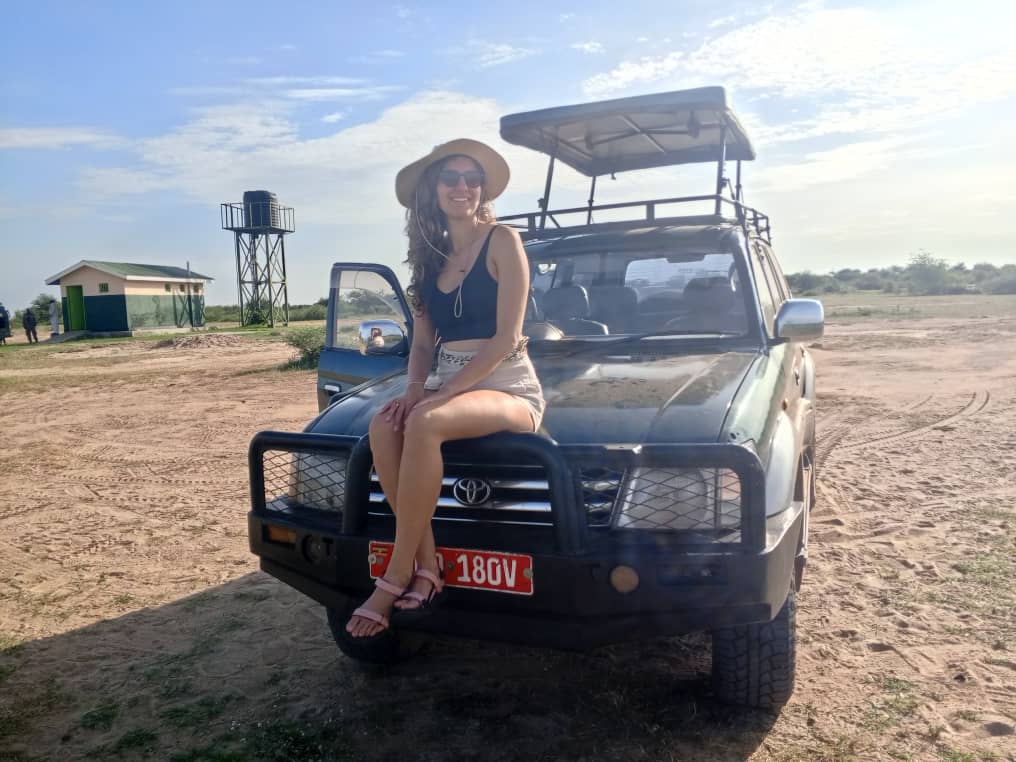 forested areas where walking is required, most big game viewing—such as lions, elephants, and giraffes—takes place from the vehicle.
A pop-up roof provides:
-
Clear, unobstructed views
-
Greater shooting flexibility
-
Improved stability for long lenses
This type of vehicle is ideal for capturing wildlife safely while respecting park regulations that prohibit exiting the car.
Be Creative with Wildlife Photography Composition
Strong composition is what transforms a good wildlife photo into a great one. When photographing animals, always focus sharply on the eyes, as they draw the viewer into the image and create emotional impact.
In addition to close-up portraits, explore creative compositions that place animals within their natural environment. Use the rule of thirds by positioning your subject slightly off-center, especially if the animal is looking into open space. Incorporating trees, rivers, or distinctive landscape features adds balance and storytelling to your images.
Be mindful of distracting vegetation behind your subject. If clutter cannot be avoided, use a wider aperture to blur the background and emphasize the animal.
Make the Most of Dawn and Dusk Safari Light
Early morning and late afternoon are the most rewarding times for safari photography in Africa. Wildlife is more active during these hours, and the soft, golden light enhances colors, textures, and atmosphere.
Take advantage of:
-
Low-angle sunlight for dramatic lighting
-
Silhouettes against sunrise or sunset
-
Long exposure effects that highlight movement
As the sun rises or sets, observe how light shapes the landscape and highlights wildlife, and adjust your camera settings creatively to capture the mood of the moment.
Remember to Put the Camera Down
While it is tempting to photograph every movement on safari, it is equally important to pause and experience the moment without the lens. Some of the most powerful safari memories are formed by simply watching wildlife in silence and absorbing the atmosphere.
Photography helps preserve memories, but true connection comes from being present. Allow yourself time to enjoy Africa’s wilderness with your own eyes—you will return home with richer memories and more meaningful images.
Final Thoughts: Capture Africa Without Stress
A well-planned safari photography experience allows you to focus on creativity, storytelling, and enjoying Africa’s wild beauty. With the right camera gear, respect for wildlife, and proper backup systems, you can confidently capture once-in-a-lifetime African safari images.
Whether you are an amateur photographer or a seasoned professional, these safari photography tips will help you return home with stunning wildlife photos and unforgettable memories from your African safari holiday.