
Quick safety responses to tyre burst while driving
Quick safety responses to tyre burst while driving, Experiencing a tire blowout while driving can be a frightening experience. But knowing how to respond quickly and safely can help mitigate the situation. Find below some of the quick safety responses to tire bursts while driving:
Stay Calm: Remain calm and avoid panicking. A tire blowout can be alarming, but staying calm will help you think clearly and respond appropriately. Over panic can bring more other serious problems
Maintain Control: Grip the steering wheel firmly with both hands and maintain control of the vehicle. Avoid making sudden movements or overcorrecting, as this could lead to loss of control.
Ease Off the Accelerator: Gradually release the accelerator pedal to reduce speed. Do not brake suddenly, as this could cause the vehicle to skid or lose control. Instead, focus on slowing down gradually while keeping the vehicle stable.
Steer Straight: Keep the vehicle moving in a straight line as much as possible. Avoid sharp turns or abrupt maneuvers, especially if the blowout occurs at high speeds. Steer gently to guide the vehicle to a safe location off the road.
Signal and Pull Over: Activate your hazard lights to alert other drivers of the emergency. Signal your intention to pull over to the side of the road or onto the shoulder once it is safe to do so. Choose a level, stable area away from traffic if possible.
Apply Brakes Carefully: Once you have slowed down, apply the brakes gently and evenly to come to a complete stop. If the vehicle pulls to one side, gently counter-steer to correct its path.
Assess Damage: After coming to a stop, assess the extent of the damage and check for any signs of additional issues, such as damage to other tires or the vehicle’s undercarriage.
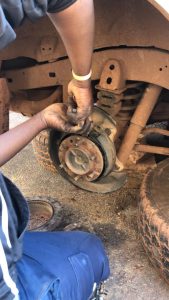 Change the Tire: If you are able to do so safely, change the damaged tire with the spare tire following the vehicle’s owner’s manual instructions. If you are unsure or uncomfortable changing the tire yourself, contact roadside assistance or seek help from a qualified professional.
Stay Safe: While waiting for assistance or completing repairs, remain inside the vehicle with seat belts fastened and hazard lights activated. Keep a safe distance from passing traffic and avoid standing near the roadway.
Stay Focused: Keep your focus on the road and your surroundings while responding to the tire blowout. Avoid distractions and stay vigilant for any obstacles or hazards that may require your attention.
Avoid Sudden Movements: Do not attempt to abruptly change lanes or swerve to avoid obstacles when experiencing a tire blowout. Sudden movements can exacerbate loss of control and increase the risk of accidents. Instead, maintain a steady course and focus on safely bringing the vehicle to a stop.
Use Engine Braking (Manual Transmission): If you are driving a vehicle with a manual transmission, downshift to a lower gear to help slow down the vehicle without relying solely on the brakes. Engine braking can supplement the braking system and assist in reducing speed safely.
Check Tire Pressure Regularly: Regularly inspecting and maintaining proper tire pressure can help prevent tire blowouts. Ensure that your vehicle’s tires are inflated to the manufacturer’s recommended pressure levels and check for signs of wear or damage regularly.
Practice Defensive Driving: Practice defensive driving techniques to anticipate and avoid potential hazards on the road. Maintain a safe following distance, scan the road ahead for obstacles, and be prepared to react quickly and decisively in emergency situations.
Prepare an Emergency Kit: Keep an emergency kit in your vehicle with essential items. Such as a flashlight, reflective triangles or flares, a tire pressure gauge, a jack and lug wrench for changing tires, and a first aid kit. Having these items on hand. Can help you respond effectively to unexpected situations on the road.
Stay Informed: Stay informed about road conditions, weather forecasts, and traffic updates before embarking on a journey. Avoid driving in adverse weather conditions or on poorly maintained roads whenever possible to reduce the risk of tire blowouts and other emergencies.
By incorporating these tips into your driving habits and emergency preparedness. You can enhance your ability to respond safely and effectively to tire blowouts and other unexpected events while on the road.